Best Practices for Sourcing Custom Athletic Fabrics
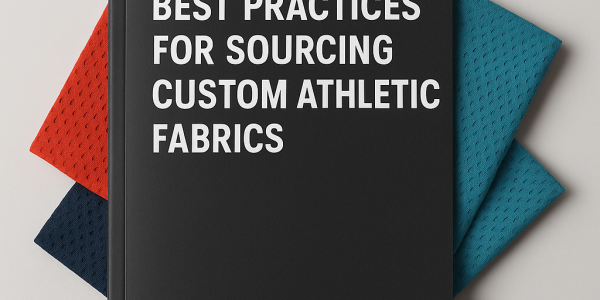
For clothing brands in the US and Canada, the choice of athletic fabrics can make or break a product line. As the demand for high-performance, stylish athletic wear continues to rise, understanding the nuances of sourcing custom athletic fabrics becomes essential. This guide will walk you through the best practices for sourcing these materials, ensuring your brand stands out in a competitive market.
Understand Your Target Market
Before diving into the sourcing process, it’s crucial to have a clear understanding of your target market. Are you catering to professional athletes, casual gym-goers, or eco-conscious consumers? Each segment has distinct preferences regarding fabric performance, sustainability, and style. For instance, if your brand targets eco-conscious consumers, consider sourcing recycled polyester or organic cotton blends. By aligning your fabric choices with your audience’s values, you can enhance brand loyalty and customer satisfaction.
Prioritize Performance Features
When sourcing custom athletic fabrics, performance features should be at the forefront of your decision-making process. Key attributes to consider include:
- Moisture-wicking: Fabrics that draw sweat away from the body help keep athletes dry and comfortable.
- Breathability: Look for materials that allow air circulation, preventing overheating during intense workouts.
- Durability: High-quality fabrics should withstand wear and tear, especially for high-impact activities.
- Stretchability: Fabrics with a good amount of stretch ensure freedom of movement, which is essential for athletic wear.
By focusing on these performance features, you can create products that meet the demands of your customers and enhance their athletic experience. For more insights on fabric performance, explore our fabric performance guide.
Build Relationships with Reliable Suppliers
Establishing strong relationships with reliable fabric suppliers is a cornerstone of successful sourcing. Look for manufacturers who specialize in athletic fabrics and have a proven track record. Consider the following when evaluating potential suppliers:
- Quality Assurance: Ensure they have stringent quality control measures in place to maintain fabric standards.
- Communication: A responsive supplier can help you navigate challenges and adapt to changes quickly.
- Flexibility: Choose suppliers who can accommodate small batch orders or custom requests, especially if you’re a startup.
Building a partnership with your suppliers can lead to better pricing, exclusive access to new materials, and collaborative opportunities. For more on how to choose the right manufacturer, check out our guide on choosing a manufacturer.
Test and Validate Fabrics
Once you’ve identified potential fabrics, it’s essential to conduct thorough testing. Request samples and evaluate them based on your performance criteria. Consider the following tests:
- Wear Tests: Have athletes wear the samples during workouts to assess comfort and performance.
- Wash Tests: Evaluate how the fabric holds up after multiple washes, checking for color fading and fabric integrity.
- Environmental Tests: If applicable, test for UV resistance or moisture management in various conditions.
Validating your fabric choices through testing ensures that your final products meet the high standards expected by your customers. For more information on fabric testing, visit our fabric testing page.
Conclusion
Sourcing custom athletic fabrics is a critical step for clothing brands aiming to deliver high-quality, performance-driven products. By understanding your target market, prioritizing performance features, building strong supplier relationships, and rigorously testing fabrics, you can ensure your athletic wear meets the demands of today’s consumers. Ready to elevate your apparel line? Partner with Candlik Clothing for expert manufacturing solutions tailored to your brand’s needs.
FAQs
What types of fabrics are best for athletic wear?
Common fabrics for athletic wear include polyester, nylon, and spandex blends due to their moisture-wicking and stretch properties. For more options, explore our fabric options.
How do I ensure the quality of custom athletic fabrics?
Request samples from suppliers and conduct wear and wash tests to evaluate durability and performance. For more tips, check our quality assurance guide.
Can I source sustainable athletic fabrics?
Yes, many suppliers offer sustainable options such as recycled polyester and organic cotton. For more information on sustainable sourcing, visit our sustainable sourcing page.
What is the minimum order quantity for custom fabrics?
Minimum order quantities vary by supplier, but many offer flexibility for startups. Always discuss your needs with potential suppliers. For more on working with manufacturers, read our manufacturer guide.
How long does it take to source custom athletic fabrics?
The sourcing timeline can vary based on supplier location and fabric availability, typically ranging from a few weeks to several months. For more insights on timelines, check our timelines page.