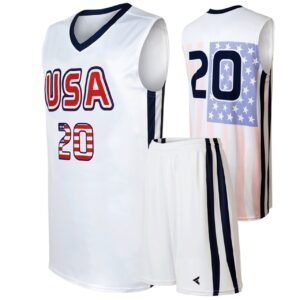
Tailoring Performance Apparel: Best Fabrics Revealed
In the competitive world of clothing brands, especially in the US and Canada, the quality of performance apparel can make or break a brand’s reputation. As a manufacturer of customized clothing items, Candlik Clothing understands the importance of selecting the right fabrics for performance apparel. This blog post will explore the best fabrics for tailoring performance apparel, ensuring your brand stands out in a crowded market.
Understanding Performance Apparel
Performance apparel is designed to enhance the wearer’s experience during physical activities. Whether it’s running, cycling, or yoga, the right fabric can provide comfort, durability, and moisture management. As a clothing brand, choosing the right materials is crucial for meeting the demands of your customers. At Candlik Clothing, we specialize in helping brands create high-quality performance apparel that meets these needs.
Top Fabrics for Performance Apparel
1. Polyester
Polyester is one of the most popular fabrics for performance apparel due to its moisture-wicking properties. It effectively pulls sweat away from the body, keeping the wearer dry and comfortable. Additionally, polyester is lightweight, durable, and resistant to shrinking and stretching. Brands looking to create activewear should consider incorporating polyester into their designs. For a versatile option, browse our polo shirts collection made from high-quality polyester blends.
2. Nylon
Nylon is another excellent choice for performance apparel. Known for its strength and elasticity, nylon provides a comfortable fit that moves with the body. It is also resistant to abrasion, making it ideal for outdoor activities. Brands can utilize nylon for items like leggings and jackets. To explore our range of durable outerwear, check out our jackets collection.
3. Spandex
Spandex, also known as elastane, is often blended with other fabrics to provide stretch and flexibility. This fabric is essential for performance apparel that requires a snug fit, such as compression garments. Spandex allows for a full range of motion, making it perfect for activities like yoga and dance. If your brand is looking to create form-fitting apparel, consider our activewear collection featuring spandex blends.
4. Merino Wool
For brands focusing on eco-friendly options, merino wool is an excellent choice. This natural fiber is breathable, moisture-wicking, and temperature-regulating, making it suitable for various climates. Merino wool is perfect for layering in colder weather or for high-intensity activities. Brands can create sustainable performance apparel that appeals to environmentally conscious consumers.
5. Bamboo Fabric
Bamboo fabric is gaining popularity in the performance apparel market due to its softness and natural moisture-wicking properties. It is also hypoallergenic and has antibacterial qualities, making it ideal for sensitive skin. Brands can leverage bamboo fabric for a range of products, from t-shirts to socks, appealing to a growing market of health-conscious consumers.
Choosing the Right Fabric for Your Brand
When selecting fabrics for your performance apparel line, consider the specific needs of your target audience. Factors such as climate, activity type, and consumer preferences will influence your choices. Collaborating with a manufacturer like Candlik Clothing can help you navigate these decisions and create customized clothing that resonates with your brand identity.
Conclusion
Tailoring performance apparel requires a keen understanding of fabric properties and consumer needs. By choosing the right materials, clothing brands in the US and Canada can create high-quality products that enhance the wearer’s experience. At Candlik Clothing, we are committed to helping brands succeed by providing customized clothing solutions that meet the highest standards of quality and performance.
FAQs
1. What is the best fabric for moisture-wicking performance apparel?
The best fabric for moisture-wicking performance apparel is polyester. It effectively pulls sweat away from the body, keeping the wearer dry. For a great selection of moisture-wicking options, check out our t-shirt collection.
2. Can I use natural fabrics for performance apparel?
Yes, natural fabrics like merino wool and bamboo can be used for performance apparel. They offer unique benefits such as breathability and moisture management. Explore our eco-friendly collection for sustainable options.
3. How do I choose the right fabric for my clothing brand?
Consider your target audience’s needs, the type of activities they engage in, and the climate they live in. Collaborating with a manufacturer like Candlik Clothing can help you make informed decisions. Visit our custom clothing page for more information.
4. What are the benefits of using spandex in performance apparel?
Spandex provides stretch and flexibility, allowing for a comfortable fit that moves with the body. It is ideal for compression garments and activewear. Check out our leggings collection for examples of spandex-blended apparel.
5. Is polyester a durable fabric for activewear?
Yes, polyester is known for its durability and resistance to shrinking and stretching, making it an excellent choice for activewear. For durable options, browse our sweatshirts collection.